
Building trust in AI: How Bigpicture ensures ethical innovation in healthcare
Artificial intelligence offers new possibilities for precision and efficiency in health care. But with great potential comes great responsibility. How do we ensure AI in medicine is developed and applied ethically? That’s where Bigpicture and the independent Ethics Advisory Board (EAB) work hand in hand. In this article, we explore topics like data transparency and patient trust with EAB member Fredrik (Freek) Bot. “Ethical AI development isn’t just about regulation, it’s about building a system that puts patients first.”
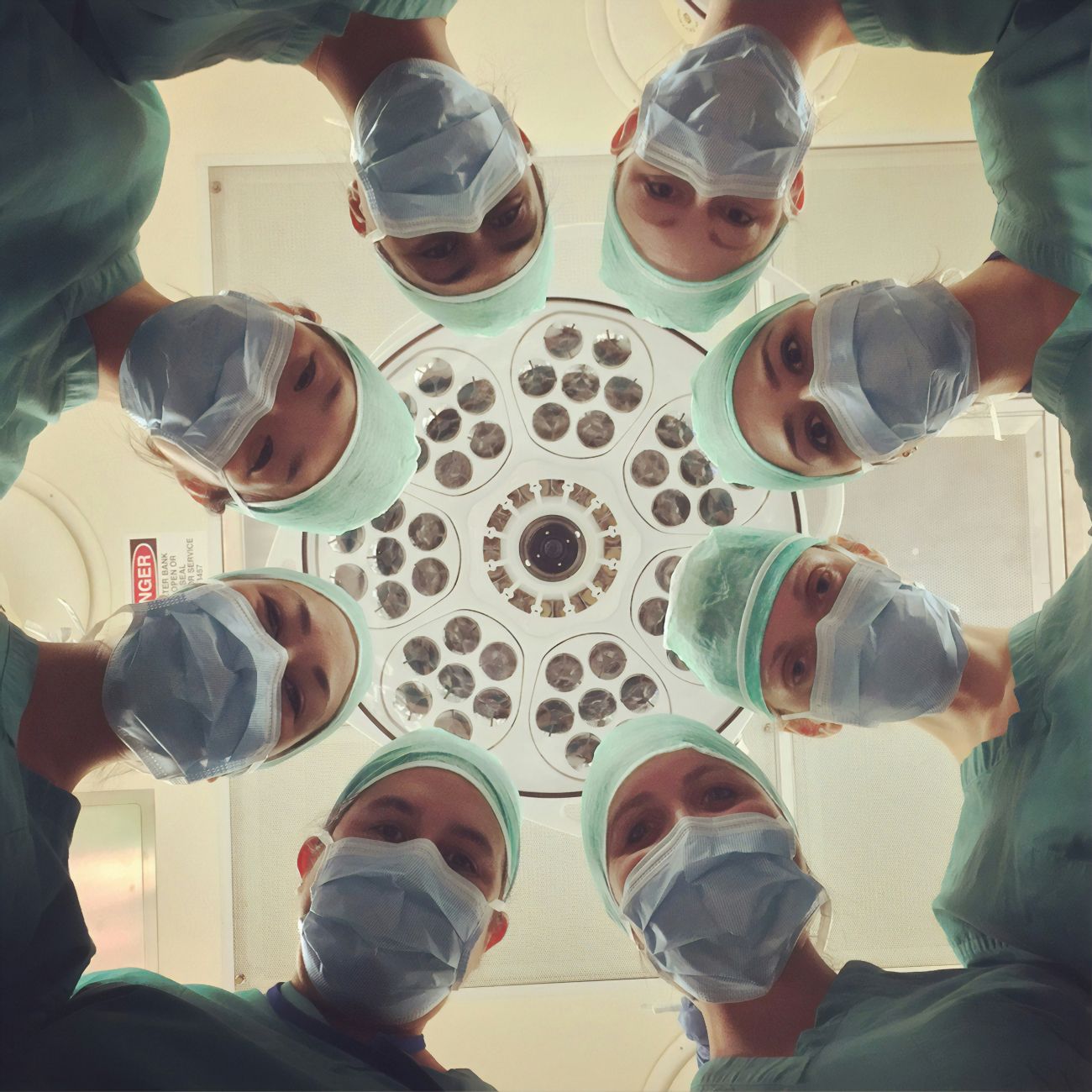
Why ethical collaboration matters
Artificial intelligence is changing the way we approach health care. But with innovation comes responsibility, and that’s where the EAB plays a vital role. “Bigpicture isn’t just about data and algorithms; it’s eventually about patients,” emphasizes EAB member Frederik (Freek) Bot. “Our role is to provide insight, ensuring ethical considerations are built into the project from the start.”
Freek is a retired pathologist and has always been deeply interested in medical decision-making, particularly how pathologists make critical choices and what influences them. Connecting this to the development of AI and his role in the EAB, he emphasizes: “Trust is key when it comes to AI in medicine. When doctors and patients believe in the integrity of AI, they are more likely to embrace its benefits. The EAB ensures that Bigpicture’s AI development considers multiple perspectives—medical, legal, ethical, and most importantly, the patient’s viewpoint.
AI and pathology: A partnership, not a replacement
With AI, pathology is evolving from a field based on subjective interpretation to one driven by data insights. This shift helps make diagnoses more precise while improving collaboration among experts. “Pathologists play a crucial role in diagnosing diseases, but their work is complex and time-consuming,” says Freek. “AI can support them by improving accuracy and consistency, reducing variability, and allowing more time for difficult cases.”
For AI to truly make a difference, it needs to be trained on large, diverse datasets that reflect real-world complexity. Bigpicture is building an extensive pathology image database across Europe to improve collaboration and knowledge sharing. “Imagine a pathologist instantly comparing a rare disease case with thousands of similar cases from across the continent,” Freek explains. “That kind of access could be life-changing for patients in regions with limited pathology expertise.”
Europe’s ethical approach to AI
AI regulations vary worldwide. While the U.S. leans toward deregulation, Europe takes a stricter, ethics-first approach. Freek sees this as the right direction. “Many people are skeptical about AI, especially regarding privacy and data security,” he says. “By establishing clear ethical standards, Bigpicture fosters trust. Patients need to know AI isn’t making decisions in a black box, they need transparency.”
One major advantage of Europe’s approach is data standardization. “AI is only as good as the data it’s trained on,” Freek notes. “Inconsistent data collection across hospitals can lead to biases or inaccuracies. A European-wide initiative like Bigpicture ensures a more reliable, diverse dataset that benefits everyone.”
AI as a medical partner
The fear that AI will replace us is a common one. Hollywood loves the idea of machines taking over the world, but that’s not reality. “AI isn’t here to replace pathologists, it’s here to help them make more informed decisions”, says Freek.
For example, in multidisciplinary breast cancer treatment planning, there are potentially several hundred potential treatment decisions to be made. Doctors traditionally rely on extensive guidelines and manual research. AI can speed up this process by providing structured, data-driven recommendations. AI also helps standardize results in diagnostics, reducing misdiagnoses caused by human interpretation. “AI is an extra set of sharp eyes, helping analyze vast amounts of diagnostic data,” Freek explains. “AI is about giving doctors better tools to make more accurate and personalized treatment decisions.”
The role of transparency and regulation
Bigpicture has taken a major step forward by signing the Data Sharing Agreement (DSA), a milestone in ensuring ethical AI development. "The DSA lays out clear principles for data providers and users, but regulations only work if they’re enforced," Freek explains. That’s why the EAB plays a crucial role in monitoring and overseeing processes to maintain trust. Transparency is key; studies show that while many are willing to share their data for medical research, privacy concerns remain. "People need confidence that their data will be handled securely," Freek adds, emphasizing that the DSA provides these assurances.
Bigpicture is built on four core values: Catalyzing, Trustworthy, Collaborative, and Inclusive. Trust is essential in ensuring AI development aligns with ethical and legal standards, while transparency fosters confidence among stakeholders. Collaboration between researchers, clinicians, and patient advocates strengthens the integrity of AI systems, and inclusivity ensures that AI serves diverse populations fairly. "Bigpicture isn’t just accelerating AI adoption in pathology; it’s doing so responsibly, guided by strong ethical frameworks like the DSA," Freek says. Through its partnership with the EAB, Bigpicture further integrates its core values into AI development, always keeping patient care at the center.

Freek is a retired pathologist with extensive experience in various medical settings, including cancer referral hospitals, academic institutions, and general teaching hospitals. His career has given him unique insights into pathology from multiple perspectives. Beyond his work in pathology, Freek has always been deeply interested in medical decision-making—particularly how pathologists make critical choices and what influences them. While teaching in Maastricht, he developed educational materials on the subject, deepening his expertise. His role at the EAB allows him to merge his interest in ethical decision-making with AI-driven healthcare advancements, ensuring technology serves both doctors and patients alike.
Latest news
What does it take to turn 120,000 clinical pathology slides into data that researchers can actually use...
Read more
Being unique is one thing. Being valuable enough for organizations to rely on is another. Dr. Page...
Read more
The biggest hurdle for pathology AI may no longer be building the technology, but proving it works...
Read more